Endodontic Retreatment in Ankeny, IA
Saving a Tooth When a Previous Root Canal Fails
In many cases, root canal treatment successfully saves a tooth and eliminates infection. However, sometimes a tooth that has previously received a root canal may not heal properly or may develop a new infection months or even years later. When this happens, endodontic retreatment may be necessary.
At Iowa Endodontics, our specialists Dr. Kerolos Elsayed provide advanced retreatment procedures designed to remove persistent infection and help patients keep their natural teeth.
Using modern technology and precise endodontic techniques, our team can often restore health to a tooth that previously received treatment.

What Is Endodontic Retreatment?
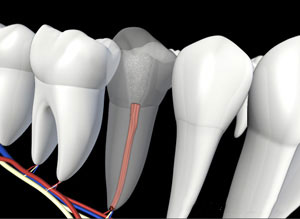
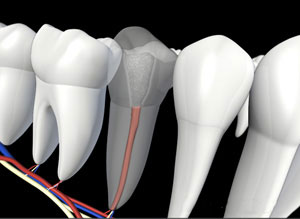
Endodontic retreatment is a procedure used to treat a tooth that has already undergone Root Canal Treatment but has not healed properly or has become reinfected.
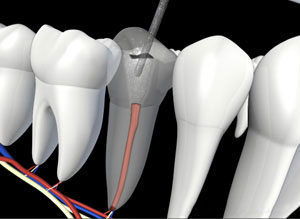
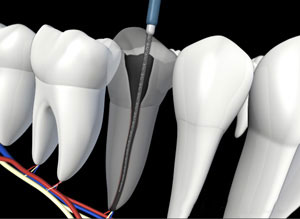
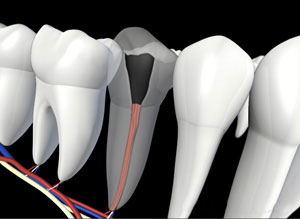
During retreatment, the endodontist reopens the tooth, removes the previous filling material, cleans and disinfects the root canal system again, and seals the tooth to prevent further infection.
This procedure allows the endodontist to address hidden canals, complex anatomy, or lingering bacteria that may have been missed during the original treatment.
Why Would a Tooth Need Retreatment?
Although root canal treatment has a very high success rate, certain factors can cause a tooth to require retreatment later.
Common reasons include:
- Complex root canal anatomy that was difficult to fully clean
- Narrow or curved canals that were not fully treated
- Delayed placement of the final crown or restoration
- New decay that exposes the root canal filling
- A cracked or fractured tooth
- A new infection forming inside the tooth
If these problems occur, retreatment can often eliminate infection and restore the tooth’s health.
Signs You May Need Endodontic Retreatment
Symptoms that may indicate a previously treated tooth needs retreatment include:
- Persistent or recurring tooth pain
- Sensitivity to pressure or biting
- Swelling or tenderness in the gums
- A small bump or abscess near the tooth
- Discoloration of the treated tooth
In some cases, a problem may be detected during routine dental imaging even when symptoms are mild or absent.
Advanced imaging available on our Advanced Technology page helps our specialists identify infections and structural issues that may require retreatment.
The Endodontic Retreatment Procedure
Endodontic retreatment is similar to a root canal but involves additional steps to remove previous materials and treat lingering infection.
Step 1: Accessing the Tooth
The endodontist carefully reopens the tooth and removes the existing crown or filling if necessary.
Step 2: Removing Previous Root Canal Materials
The materials placed during the original root canal are removed so the canals can be accessed again.
Step 3: Cleaning and Disinfection
The root canal system is thoroughly cleaned, reshaped, and disinfected to remove bacteria and infected tissue.
Step 4: Sealing the Canals
After cleaning, the canals are refilled and sealed to prevent reinfection.
Step 5: Final Restoration
Your general dentist will typically place a new crown or restoration to protect the tooth and restore function.
If retreatment cannot fully resolve the infection, surgical treatment such as Apicoectomy (Root-End Surgery) may be recommended.
Is Endodontic Retreatment Painful?
Retreatment is performed using local anesthesia, making the procedure comfortable for most patients.
Many patients report that retreatment feels similar to the original root canal procedure. After treatment, mild soreness may occur for a few days while the surrounding tissues heal.
Our specialists focus on gentle techniques and advanced technology to help ensure a comfortable treatment experience.
Benefits of Endodontic Retreatment
Endodontic retreatment provides several important benefits for preserving your natural tooth.
Key advantages include:
- Removing persistent infection from the tooth
- Preserving your natural tooth structure
- Avoiding extraction whenever possible
- Restoring comfort and function
- Supporting long-term oral health
Saving the natural tooth is often the best option for maintaining proper bite alignment and chewing ability.
Retreatment vs Tooth Extraction
If a previously treated tooth becomes infected again, extraction may seem like a simple solution. However, saving the tooth through retreatment is often the preferred option.
Advantages of retreatment compared to extraction include:
- Maintaining your natural tooth
- Avoiding additional procedures such as implants or bridges
- Preserving surrounding bone and teeth
- Maintaining normal chewing function
Extraction often requires replacement with a dental implant or bridge, which can involve additional procedures and costs.
Advanced Technology for Successful Retreatment
Successful retreatment often depends on identifying hidden canals or complex root structures.
At Iowa Endodontics, we use advanced technology to improve diagnosis and treatment precision, including:
- 3D Cone Beam CT imaging
- Surgical operating microscopes
- Digital radiography
- Enhanced root canal disinfection techniques
Our practice also utilizes advanced systems such as Laser-Assisted Endodontics to reduce bacteria inside the root canal system and support successful healing.
Experienced Endodontic Specialists
Endodontic retreatment can be more complex than the original root canal procedure. Treatment by a specialist can improve the chances of success.
At Iowa Endodontics, retreatment is performed by experienced endodontists:
Their advanced training allows them to diagnose complex problems and provide precise treatment focused on saving your natural teeth.
Emergency Care for Tooth Infection
If a previously treated tooth suddenly becomes painful or swollen, prompt care may be necessary. Our team provides treatment for Endodontic Emergencies to diagnose and treat urgent dental infections.
Early treatment can improve the chances of saving the affected tooth.
Frequently Asked Questions Endodontic Retreatment
What is endodontic retreatment?
Endodontic retreatment is a procedure used to treat a tooth that previously received a root canal but has become reinfected or failed to heal properly.
Why would a root canal need retreatment?
Retreatment may be necessary if hidden canals were not treated, new decay develops, the restoration fails, or infection returns inside the tooth.
Is retreatment more difficult than a root canal?
Yes. Retreatment can be more complex because the original materials must be removed and the canals cleaned again. Endodontists are specially trained to perform these procedures.
How successful is endodontic retreatment?
Endodontic retreatment has a high success rate, especially when performed by an experienced endodontist using modern technology.
Is retreatment better than extracting the tooth?
In most cases, saving your natural tooth through retreatment is preferable to extraction because it preserves normal chewing function and prevents additional procedures.
Lorem ipsum dolor sit amet, consectetur adipiscing elit. Suspendisse varius enim in eros elementum tristique. Duis cursus, mi quis viverra ornare, eros dolor interdum nulla, ut commodo diam libero vitae erat. Aenean faucibus nibh et justo cursus id rutrum lorem imperdiet. Nunc ut sem vitae risus tristique posuere.
Schedule Your Endodontic Retreatment Consultation
If you have symptoms in a tooth that previously received a root canal, our specialists can evaluate the tooth and recommend the most appropriate treatment.
Schedule an appointment through our Contact page to receive expert evaluation and care.